




2.13.13 Love Apple Curry
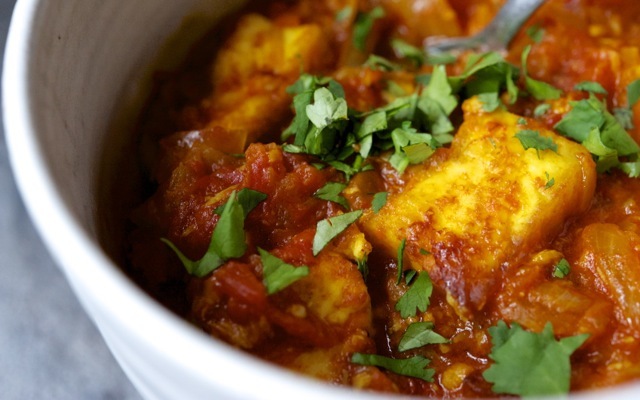
When tomatoes were first introduced to Europe, they were known as love apples. The Aztecs called them xitomatl, meaning "plump thing with a navel," and from there we got our word. One gushing sweet-savory bite of this astoundingly red fruit and you know it's good for you, packed with powerful antioxidants, including cancer-fighting lycopene. Red is the color of blood, of passion, of ravishing ripeness. What better way to honor your sweetheart than with a health-promoting, swoon-inducing tomato curry? If tomato is the food of love, read on.
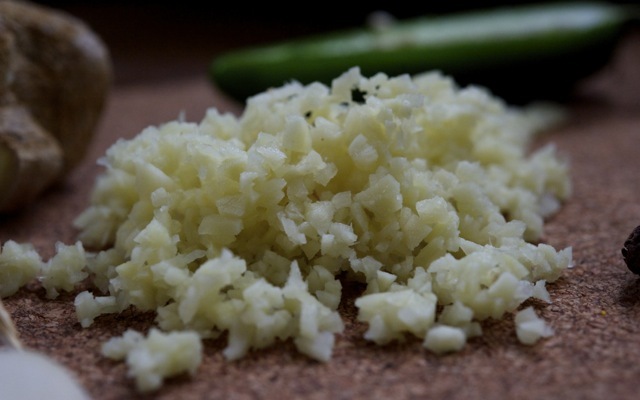
I first sampled this Kashmiri curry on my honeymoon in India. It was served to me in an all-white dining room that showed up the intensity of the dish's brick-red color. Richly spiced with ginger and garlic, and yet somehow still delicate and ethereal, it was truly transporting. You can read a bit more about the experience here.
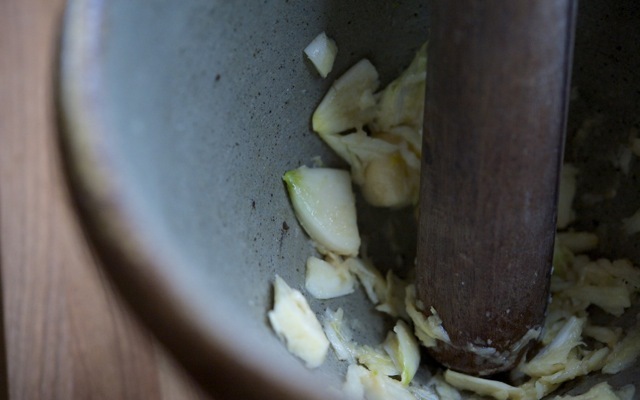
Do you have a mortar and pestle? It's like the cuisinart of the third world, but in this country I've heard said it's the mark of a real cook, whatever that means. I bought mine in a Thai store in Los Angeles. It's made of stone, very heavy and excellent for making pesto or grinding pretty much anything to a fine paste.
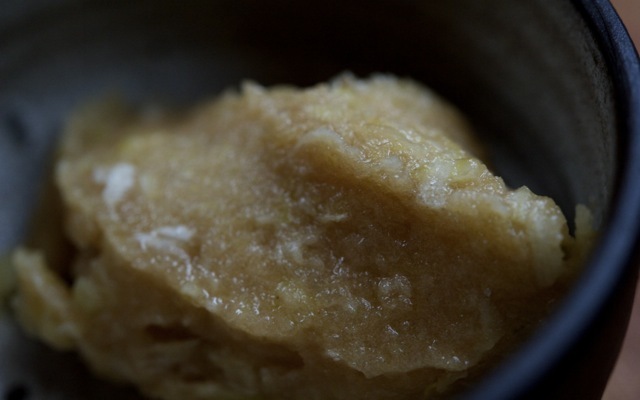
Look how the garlic is reduced to a glistening golden smear. Very satisfying.
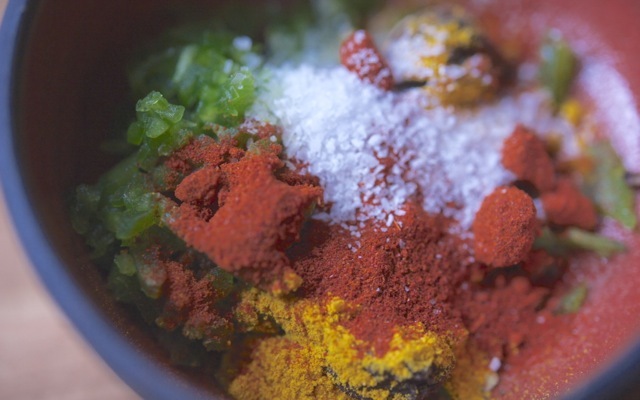
Other ingredients that enliven this curry: smoky Spanish pimentón; turmeric; spicy green chile (the recipe calls for cayenne but you can sub serrano or even jalapeño); cardamom; clove.
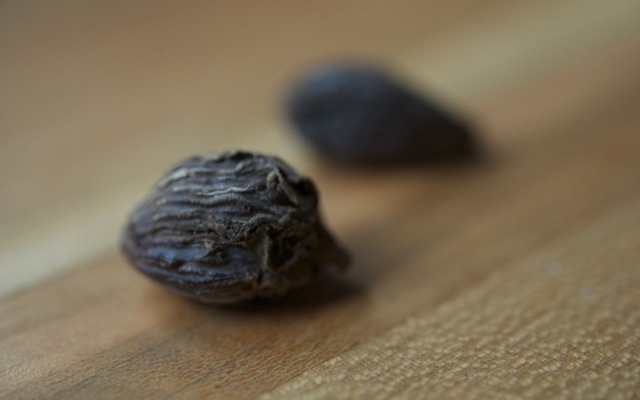
Brown cardamom is bit larger, hairier and more fibrous than the green kind you're probably used to. In Indian cuisine, it's used exclusively in savory dishes and has a slightly less perfumey flavor.
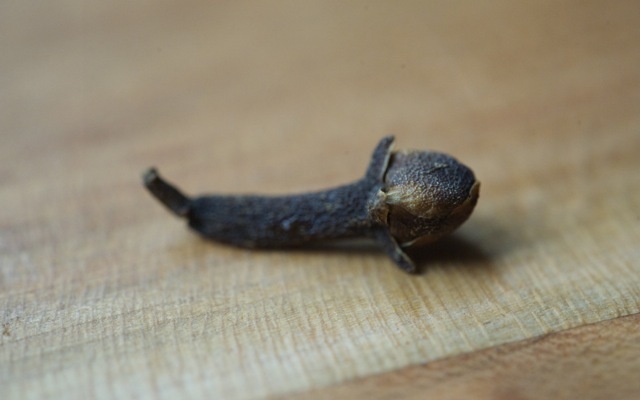
Clove can be overpowering, so use it sparingly. Just two added to this dish have an impact. In Mexico, they are called clavos de olor—nails of smell.
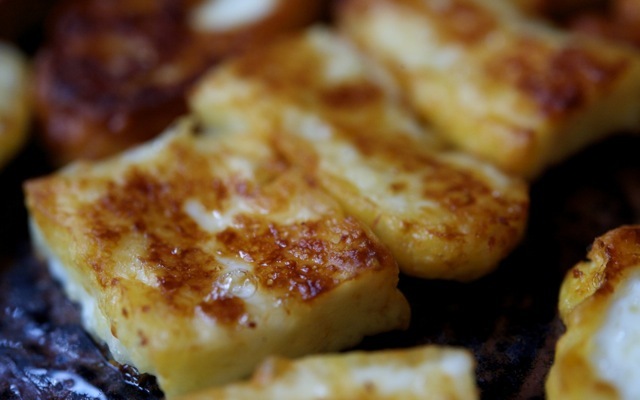
I've already mentioned the merits of homemade paneer (here and here), that fresh cheese you can whip up with nothing more complicated than milk, lemon juice and a big piece of cheesecloth. Have you attempted it yet? Maybe now is the time. It's truly a revelation. Otherwise, you can use storebought paneer, or subsitute firm tofu, which won't be quite as delicious but is not half-bad.
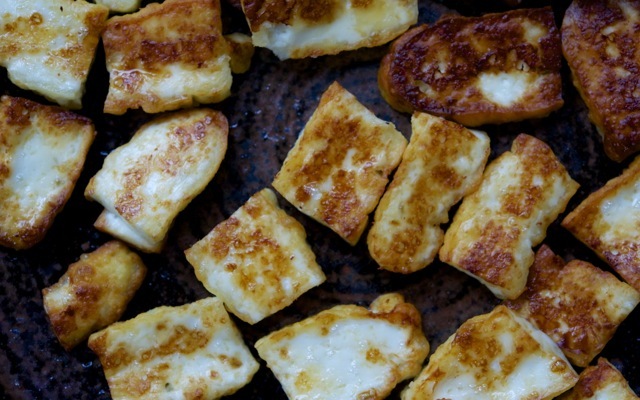
Make the paneer in the morning, so it can hang and drain, or speed the process by weighing it down with something heavy and pressing the liquid out in just an hour or so. Then you cut it into pieces which you brown in ghee or a neutral oil. They develop a wonderful crusty exterior (what David Chang refers to as GDB - golden brown and delicious) that contrasts beautifully with their fluffy white insides.
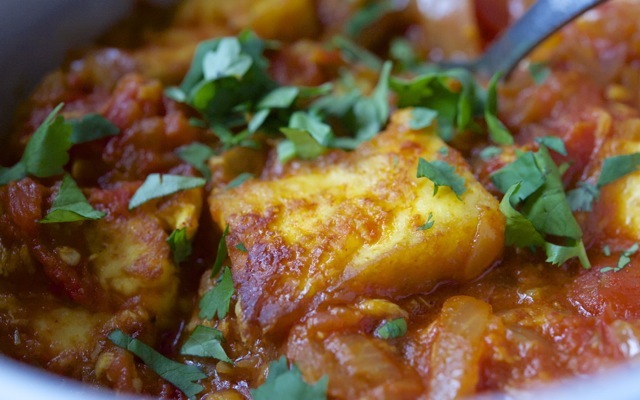
The curry is simply tomatoes simmered with garlic, onions, ginger and spices until it becomes thick and pungent, ready to melt in your mouth. The cubes of paneer are warmed in this and then the whole lot is scooped into a bowl or served over a soft bed of basmati rice, white or brown. Simple, warming, satisfying. A dish that goes right to the heart of the matter.
Tomato Curry with Paneer
serves 6 (recipe can easily be halved or doubled)
- — 3 1/2 cups crushed canned tomatoes
- — 1 pound paneer (fresh or store-bought)
- — 2/3 cup ghee, peanut or safflower oil, or raw sesame oil for frying
- — 1/2 cup minced garlic, or mashed to a paste
- — 3 tablespoons minced ginger
- — 3 cups diced onion
- — 3-4 cups water
- — 2 tablespoons minced, seeded green cayenne chiles
- — 3 brown cardamom pods, or 5 green cardamom pods, smashed
- — 2 whole cloves (optional)
- — 1 teaspoon ground turmeric
- — 1 teaspoon pimentón, or 1/2 teaspoon cayenne
- — sea salt, to taste
Slice the paneer into small rectangles (slightly larger than bite size) and set aside. Fill a wide, heavy skillet with a little more than 1/4" of ghee or oil. Heat over medium-high, then add paneer slices in a single layer. Don't crowd, and brown in batches if necessary. Cook, turning once, until golden on both sides, 4-5 minutes per batch. Lift out, letting the oil drain off, and place on a plate.
Measure out 1/3 cup ghee or oil from the pan and pour into a large, heavy-bottomed nonreactive saucepan (your Le Creuset is good here), reserving the remaining ghee or oil for another use. Heat over medium-high, then add garlic and ginger, lower the heat to medium and stir-fry for a minute or so. Add the onions and cook, stirring frequently, until very soft and pale gold but not browned, about 10-12 minutes.
Add the tomatoes and stir them in, then add 3 cups of water. The mixture should be quite liquid. Bring to a boil over high heat. Add the green chile, cardamom, cloves, if using, turmeric, pimentón and cayenne. Lower the heat to maintain a steady simmer, and cook for about an hour, stirring occasionally to prevent sticking. You may need to lower the heat a little more partway through the cooking as the mixture thickens and/or add a bit more water, as needed.
Add the paneer to the sauce and simmer for another 45 minutes. Taste and add salt.
Serve as a main dish with plenty of rice (I like brown basmati), and a stir-fry of greens in coconut oil.
 Download Recipe
Paneer
- — 1/3 cup fresh lemon juice
- — 1 gallon (16 cups) best quality whole milk
Pour the milk into a large heavy-bottomed saucepan. Bring to a boil over high heat, stirring to keep the bottom from scorching. When it starts boiling up in earnest, remove from the heat and promptly strain the lemon or lime juice into the milk, stirring it gently. The milk should rapidly separate into clouds of white curd in a greenish-yellow whey. (If this doesn’t happen, add another spritz of juice.) Let stand for 8-10 minutes.
Place a large colander in the sink and line it with a double layer of cheesecloth or a large, clean gauzy dish towel (like a flour sacking towel). With a skimmer or ladle, transfer the large curds into the colander. Very gently pour in the remaining curds and whey, letting the whey drain into a bowl so you can use it for something else.
Briefly rinse the curds with cold water to remove the taste of lemon. Let it rest in the sink for a few minutes to drain out liquid, then gather the edges of the cheesecloth and create a compact bundle, pressing the curds into a ball. I like to tie a piece of kitchen twine around the neck of this and hang it over the sink to drain out as much liquid as possible (see above). Place a bowl underneath so you can save the whey. If this sink arrangement isn't convenient for you, you can suspend it anywhere over a bowl.
After 4-5 hours of hanging/drainage, take the curds out and divide them into two balls. Flatten and mold these into rectangles with your hands; the paneer should hold together easily. If it's still quite loose, wrap in cheesecloth, stack on a plate and weight with something heavy like a can of tomatoes. Allow to drain for another hour or two. At this point, the paneer should be a firm, dry cake that is ready to eat. You can also wrap it in saran and refrigerate it for up to a week.
Download Recipe
2 Comments