Curds & Whey


photo by george billard

Not sure about the whey, but this little Miss Muffett definitely enjoys eating freshly made curds. And so will you, when you make your own paneer. It’s quite similar to making ricotta, if you’ve ever done that; even easier, really. Paneer is the soft white cheese you’ll find in creamy little cubes in your saag paneer, that Indian cousin of creamed spinach. Having done a bit of research and now made it at home, I understand that saag is actually any dish of spiced, stewed greens with a bit of yoghurt and cream or buttermilk stirred in. It’s traditionally made with mustard greens or spinach but you can really use any combination of greens you want, including chard, kale and collards. If you don’t want to make your own paneer (basically boiling milk, adding vinegar or lemon juice, and letting the whey drain away from the separated curds, as above), you can stir in cubes of firm tofu, chunks of fried potato, or even cooked chickpeas to your saag. I prefer to leave the greens on the toothier side, so the dish is a bit less like baby food, but you make it however you like. You can also enrich it with some cream, although I like the tangy taste of the buttermilk and yoghurt, and they have fewer calories. I imagine you could play around with soy or hemp milk, too.


The saag paneer recipe called for garam masala, which is a basic Indian “curry” blend of ground spices. Almost all Indian cooks have their own version of this, varying greatly from one region to another. As they do, you can tweak the ingredients and proportions to your liking.


PANEER (Fresh Cheese)

makes a scant 1 pound


1 gallon (16 cups) whole milk

7-8 tablespoons lemon juice or white vinegar


Heat milk in a large pot over medium-high flame, stirring occasionally. (If you rinse the pot with cold water first, it helps prevent sticking.) Just before the boiling point (milk will start to steam), turn off the heat. One tablespoon at a time, stir in the lemon juice or vinegar. Keep slowly stirring for several minutes as the curds separate from the whey and bob to the surface.


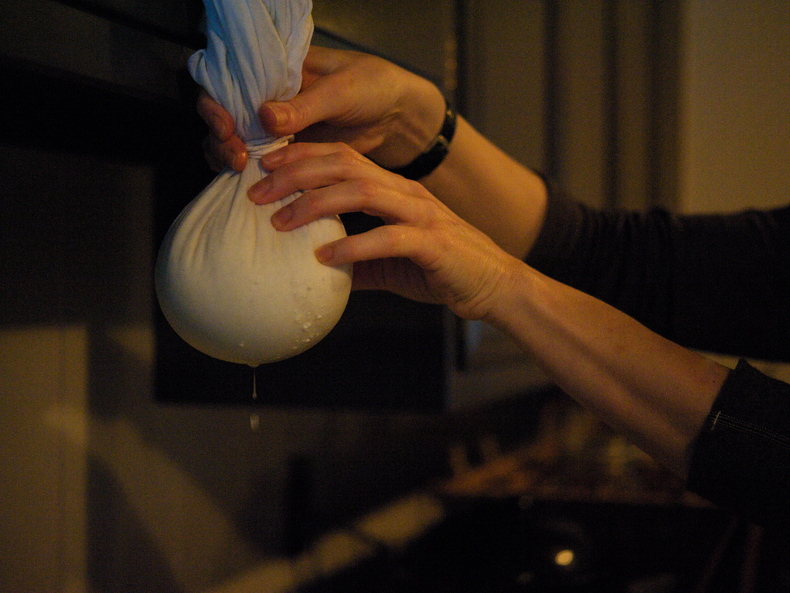
Place a large colander in the sink and line it with a double layer of cheesecloth or a large, clean gauzy dish towel (like a flour sacking towel). Pour the separated milk into the colander, letting the whey drain down the sink. Rinse the curds with cold water to remove the taste of lemon/vinegar. Let it rest in the sink for a few minutes to drain out liquid, then gather the edges of the cheesecloth and create a compact bundle, pressing the curds into a ball. I like to tie a piece of kitchen twine around the neck of this and hang it over the sink to drain out as much water as possible (see above). If this isn’t convenient for you, you can suspend it anywhere over a bowl.


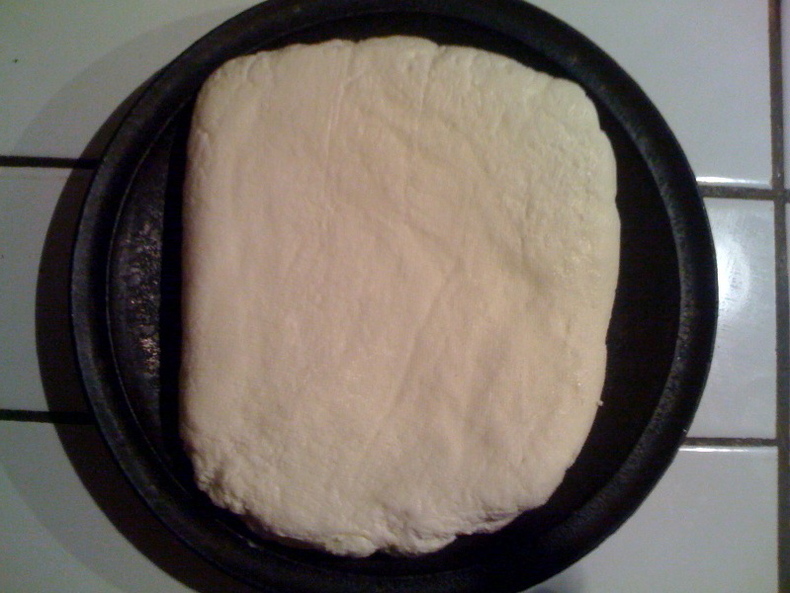
After 3-4 hours of hanging drainage, take the curds out and divide them into two balls. Flatten and mold these into two 4″x4″ squares with your hands and wrap them separately in cheesecloth. Stack them on top of each other on a baking sheet and find a heavy pot lid to weight them down. Let them drain for another 3-4 hours, pouring off any whey that drains onto the baking sheet. At this point, the paneer will be a firm, dry cake that is ready to eat. You can also wrap it in saran and refrigerate for up to a week. I threw one block in the freezer; I’ll let you know how it does.


SAAG PANEER

serves 4


2 pounds fresh greens (spinach, kale, mustard greens, chard), washed and thick stems removed

1/4 cup ghee

1/2 pound paneer, cubed

2 yellow onions, grated or finely chopped

3 garlic cloves, minced

1 tablespoon freshly grated ginger

2 teaspoons garam masala*

1/2 cup buttermilk

1/2 cup plain yogurt

Salt


Bring a large pot of water to the boil and blanch the greens until very tender. Dump them into a colander and press firmly with the back of a spoon to extract as much water as possible. Chop fine. Set aside.


Heat the ghee in a deep skillet over medium-high. Add the cubed paneer and fry for a couple of minutes until light brown on all sides, turning gently. Remove the paneer from the skillet and set aside.


Return the skillet to the heat, adding a bit more ghee if needed, and sauté the onions, garlic and ginger until soft, about 5 minutes. Add the spices, stir to combine, and cook another couple of minutes. Fold in the chopped greens and stir together. Shut off the heat and gradually stir in the buttermilk and yogurt, adding more or less to achieve the creamy texture you want. Gently fold in the fried paneer cubes and salt to taste.


GARAM MASALA

makes about ½ cup


2 tablespoons coriander seeds

1 tablespoon cumin seeds

1 teaspoon fennel seeds

1/2 teaspoon whole cloves

1/2 teaspoon mustard seeds

1 tablespoon cardamom seeds

1 tablespoon whole black peppercorns

2 dried red chiles, broken in pieces, seeds discarded

1 tablespoon turmeric


Toast the whole spices in a small skillet over medium-low heat, shaking the pan to prevent burning, until they begin to color and smell fragrant. In a spice grinder or mortar and pestle, grind the toasted spices together to a fine powder. Add the turmeric and stir well to combine. Store in a sealed jar.


«      »

Post Your Comment

Submit